comments 2

Grilled Lamb Chops with Coriander Spice

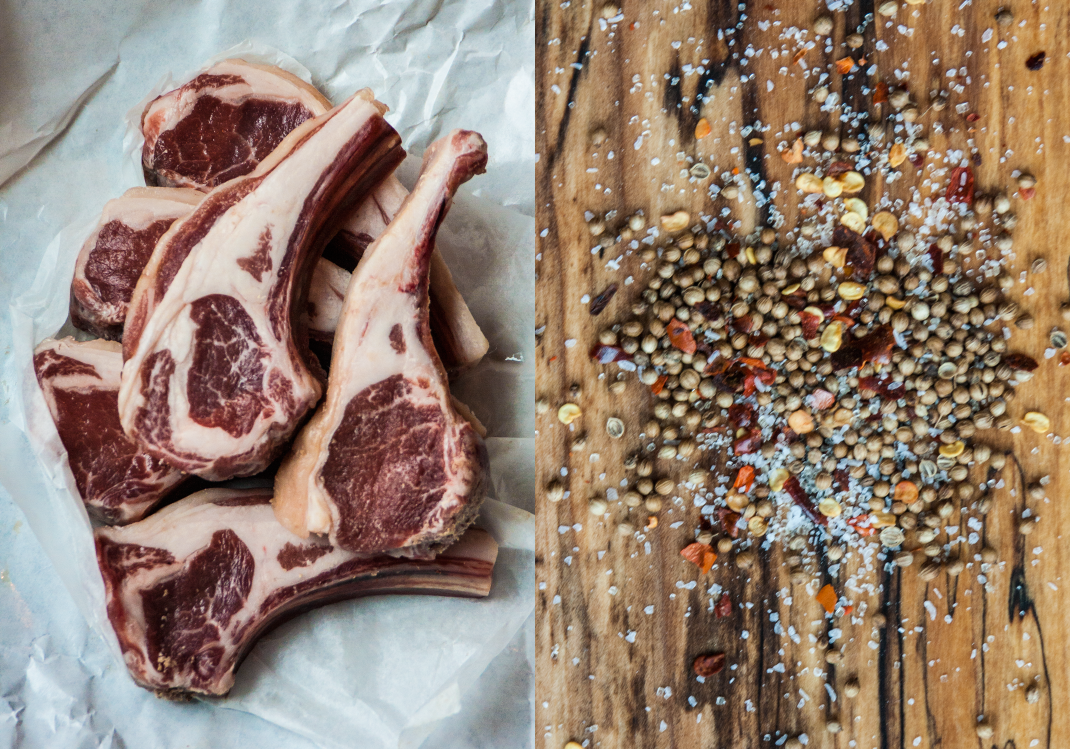
On a recent trip to Publican Quality Meats, I selected lamb chops sourced from Catalpa Grove Farm in Dwight, Illinois. The lamb chops were delicious rubbed with a spice blend of coriander, red chili, sugar, and salt and grilled to the perfect medium rare. If you prefer, you can use the coriander spice rub on bone-in pork chops or flat iron steaks.

Grilled Lamb Chops with Coriander Spice

(adapted from Michael Symon’s Live to Cook)

Serves 2-3

  • 7-9 lamb chops
  • 1 tablespoon whole coriander seeds
  • ½ tablespoon red chili flakes
  • 1 tablespoon kosher salt
  • 1 tablespoon sugar

Combine the coriander, red chili, salt, and sugar in a mortar and pestle. Coarsely crack the spices and sprinkle on both sides of the lamb chops. Cover and refrigerate for a minimum of 2 hours and a maximum of 24 hours.

Remove the lamb chops from the refrigerator 30 minutes prior to grilling. Grill 3-4 minutes per side until medium rare. Allow the lamb chops to rest for 5-10 minutes before serving.

coriandermixbowl

comments 2

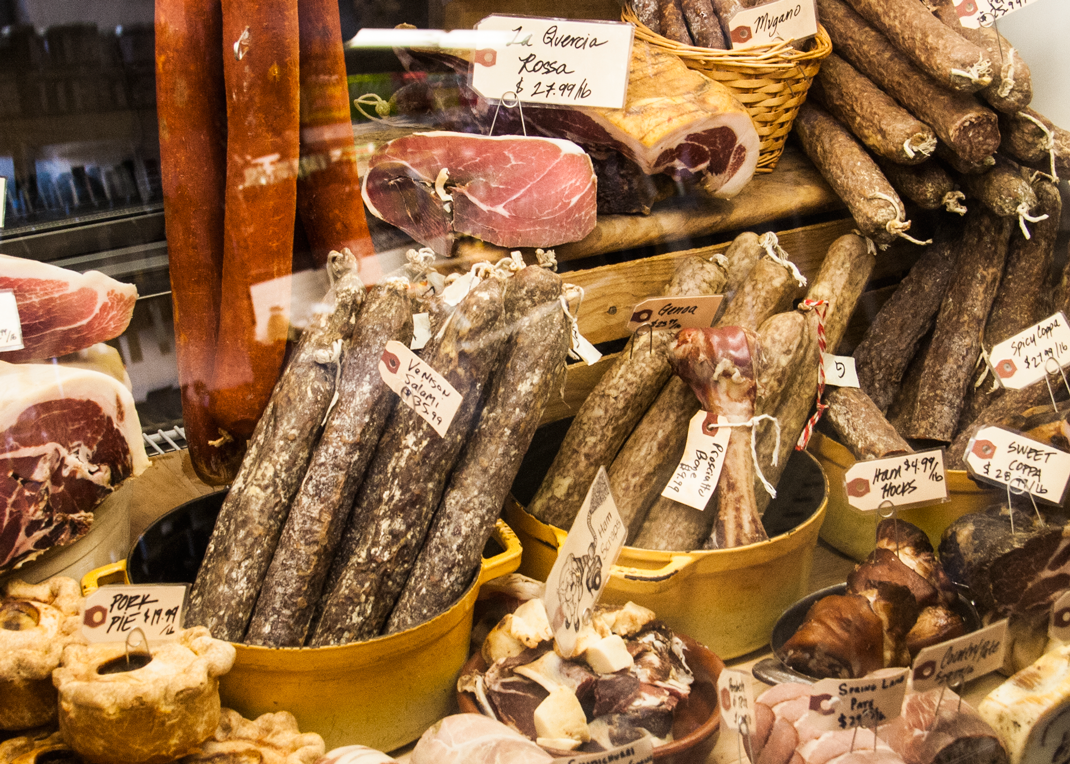
Publican Quality Meats

One of my favorite specialty shops in Chicago is Paul Kahan’s Publican Quality Meats. A butcher shop specializing in hand-crafted charcuterie and locally sourced meats, Publican Quality Meats also offers a selection of artisanal cheeses and breads. During the day, Publican Quality Meats serves soups, salads, sandwiches, and charcuterie to take away or enjoy in the café. In the evening, the space is transformed into a private dining room for Kahan’s restaurant The Publican which is located across the street.

I love the whole chickens available plain or marinated with The Publican blend of spices as well as the vast selection of pork, beef, and lamb from local, organic farms. The butchers are friendly and knowledgable. A gourmet selection of olive oils, vinegars, spices, and salts are available in addition to farm fresh eggs and milk.

pqm[1]


comment 0

Fava Bean and Mint Spread

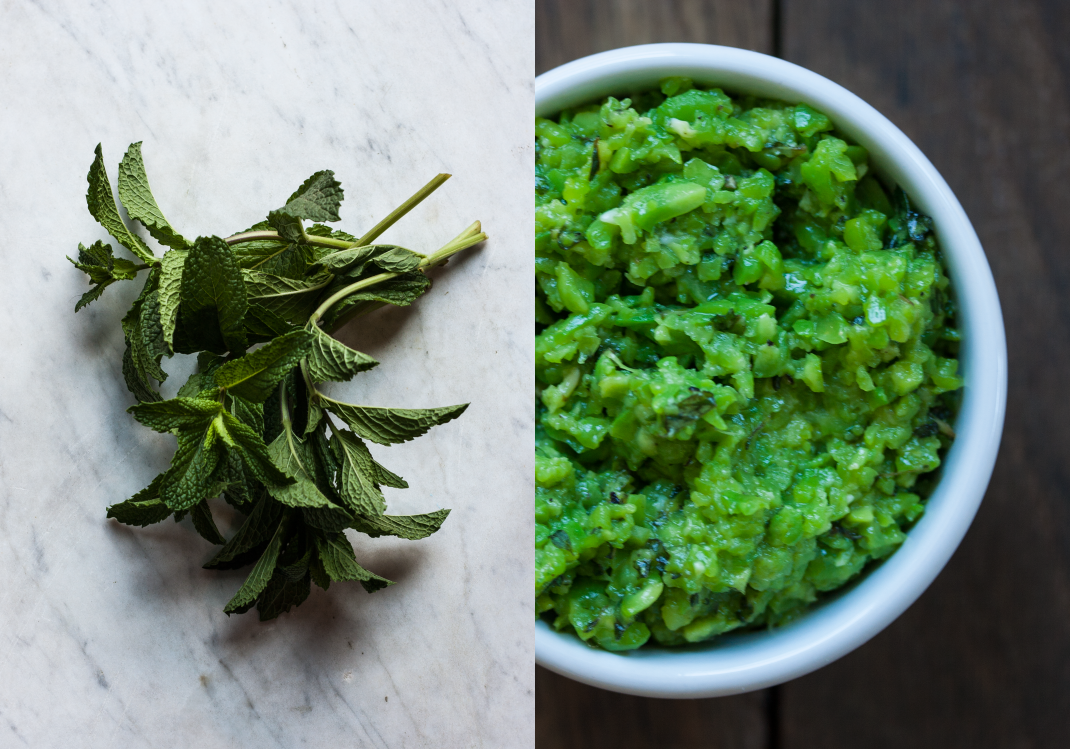
The farm-to-table movement has encouraged the reemergence and growth of farmers markets across the country. In Chicago, there are farmer’s markets in neighborhoods throughout the city. One of the largest of these markets is the Green City Market in Lincoln Park. Farmers markets are a great source for fresh, local, seasonal produce. One of the first vegetables to arrive at the farmers market each year is fava beans. Fava beans have a delicate flavor and pair perfectly with mint in a fava bean and mint spread or a salad of arugula, mint, and fava beans with lemon vinaigrette.

Fava Bean and Mint Spread

Makes 1 cup

  • 1 cup fresh fava beans, double shelled*
  • 20 mint leaves
  • ⅛ teaspoon kosher salt
  • ⅛ teaspoon black pepper, coarsely ground
  • 2 tablespoons extra-virgin olive oil

Prepare the fava beans by snapping off the stem, stringing the pod, and removing the beans. Fill a large pot with water and bring to a boil. Heavily salt the boiling water and add the fava beans. Cook the fava beans for 1 minute. Remove from the boiling water and plunge the fava beans into a bowl of ice water to stop the cooking and set the green color. Once the fava beans are cool enough to handle, shell the beans a second time by breaking the shell and pushing out the bright green bean.

Combine the fava beans, mint, salt, and pepper in a food processor. Pulse the ingredients until coarsely chopped. Add the olive oil and pulse once or twice more to combine.

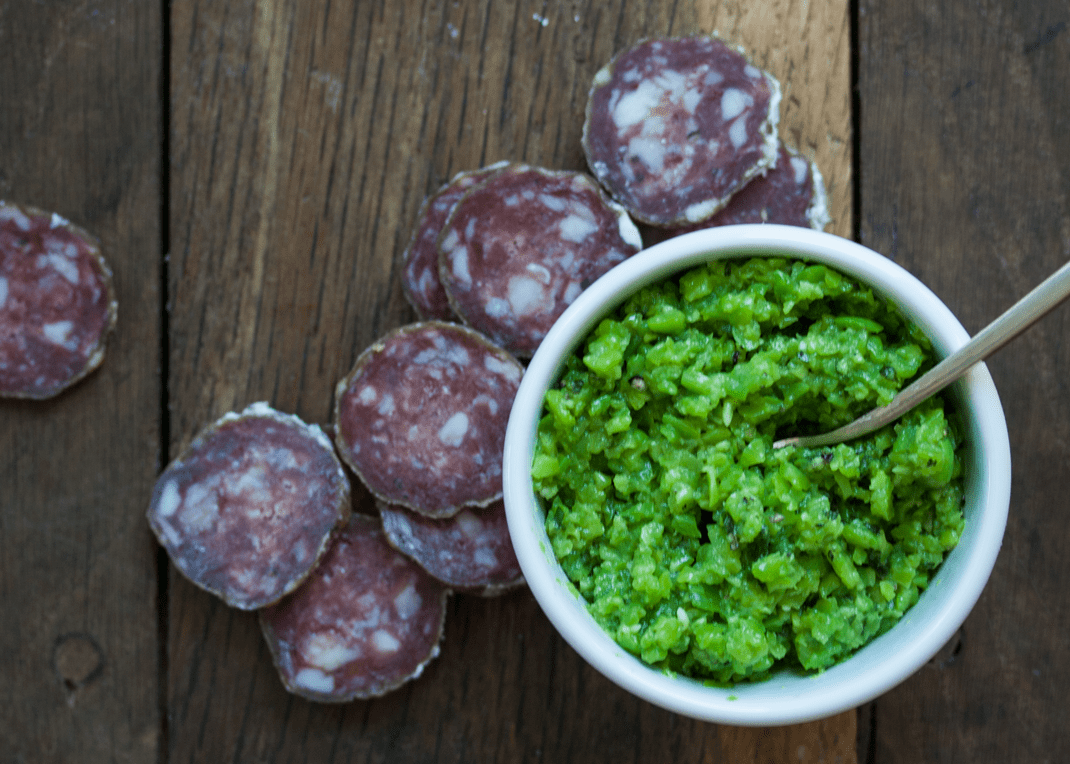
Serve the fava bean and mint spread with handcrafted artisan cheese or salami and a selection of crackers and bread.

*Purchase approximately 2 ½ pounds of fava beans for every cup of double shelled beans needed in the recipe.


favabeansraw
favabeanandmint

comments 3

Tomato Jam

At the beginning of each lunch and dinner in Morocco, we were served a selection of Moroccan salads. Moroccan salads are small plates of sweet or spicy vegetables served raw or cooked. We ate spicy grilled eggplant, chickpeas with onions and paprika, warm carrots glazed with brown sugar and cinnamon, oranges with black olives,  and sweet tomato jam.

Tomato Jam

(adapted from Paula Wolfert’s Couscous and Other Good Food from Morocco and Ghillie Başan’s Flavors of Morocco)

  • 2 ½ pounds vine-ripened tomatoes
  • 2 tablespoons tomato paste
  • ¼ cup onion, grated
  • 1 garlic clove, grated or minced
  • a pinch of saffron, optional
  • 1/2 teaspoon ground ginger
  • 1 teaspoon ground cinnamon, divided in half
  • 1/2 – 1 teaspoon kosher salt, to taste
  • 1/4 teaspoon ground black pepper
  • 2 tablespoons extra virgin olive oil
  • 1 cup water
  • 2 tablespoons buckwheat honey

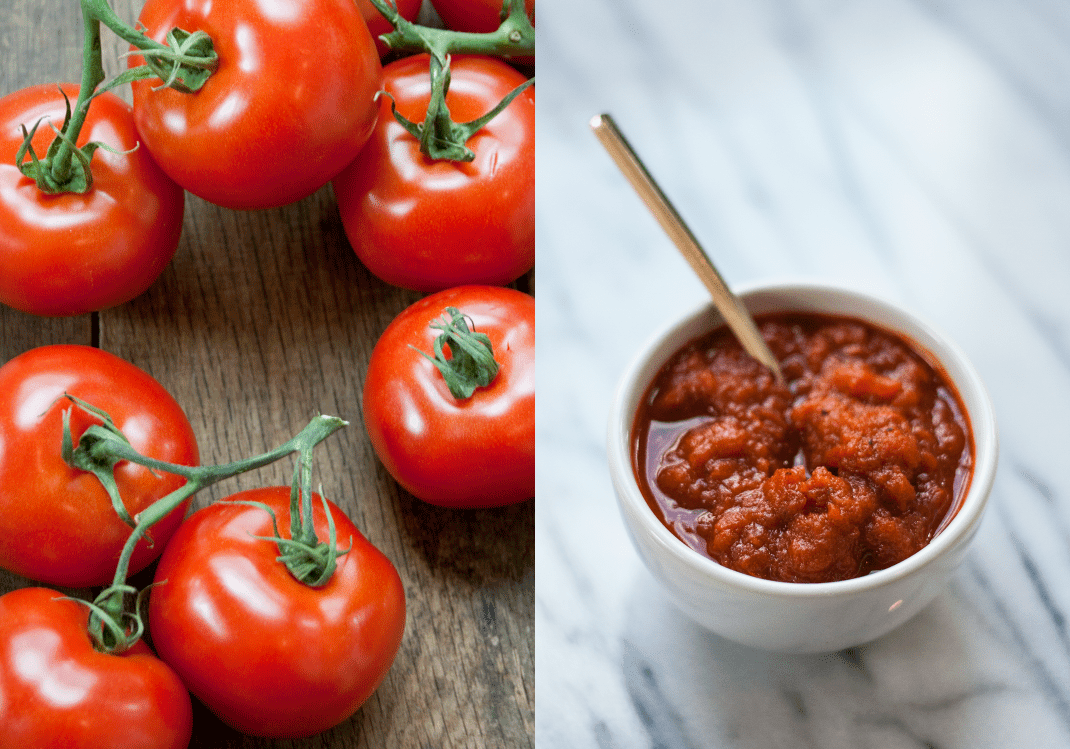
Fill a 4 quart sauce pan with water and bring to a boil over high heat. Score the bottom of each tomato with a cross cut and lower into the boiling water. Boil the tomatoes for 30 seconds. Remove them from the water with a slotted spoon and cool in a bowl of ice water. When cool enough to handle remove the core from the tomatoes and peel the skin. Remove the seeds by slicing the tomatoes crosswise and squeezing gently. Chop the tomatoes into small pieces.

Place the tomatoes, tomato paste, onion, garlic, saffron, ginger, half of the cinnamon, salt, pepper, olive oil and water in a 4 quart heavy bottomed sauce pan. Cook over medium-high heat until the water has evaporated. The tomatoes will thicken to a sticky jam-like consistency and will begin to fry in the olive oil. At this point, add the honey and the second half of the cinnamon to the sauce pan. Cook for 2-3 minutes more to combine the flavors.

Serve the tomato jam at room temperature with bread or as part of a larger Moroccan salad spread. The tomato jam is a delicious accompaniment to grilled chicken or lamb and couscous.

The tomato jam can be served with semolina baguette instead of traditional Moroccan country bread dusted with cornmeal.

tomatojambaguette

comment 0

Harbison by Jasper Hill Creamery

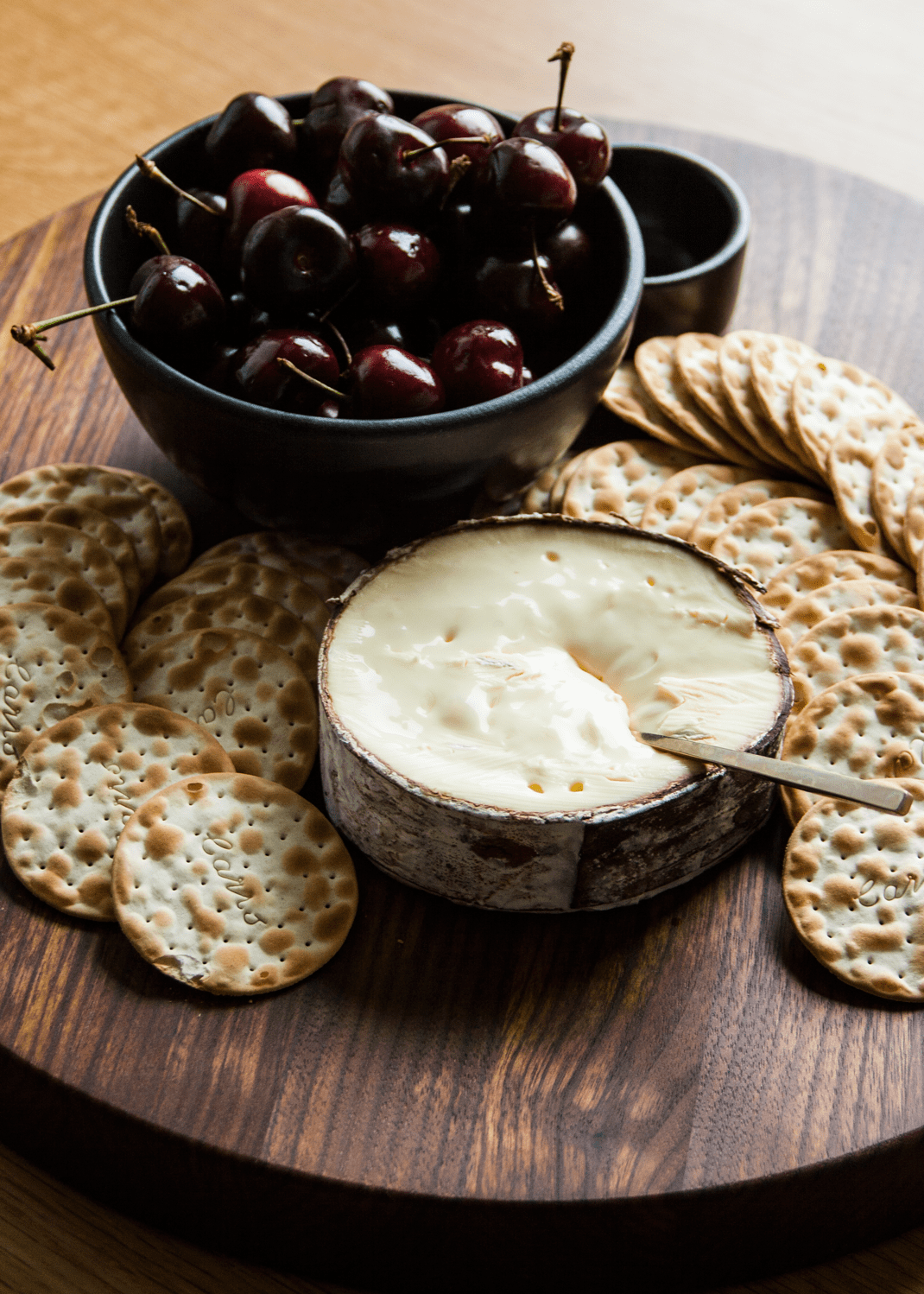
On our first visit to Amsterdam, my husband and I shared a delicious three-course dinner at De Kas. The restaurant inhabits a repurposed greenhouse on the outskirts of the city in Frankendael Park. What does a restaurant in Amsterdam have to do with a soft-ripened cheese from Vermont? After dinner at De Kas we were presented with the most memorable cheese course, a soft-ripened cheese served on a spoon. The cheese was smooth, creamy, and delicious. At that moment, I discovered the pleasure of the perfect soft-ripened cheese.

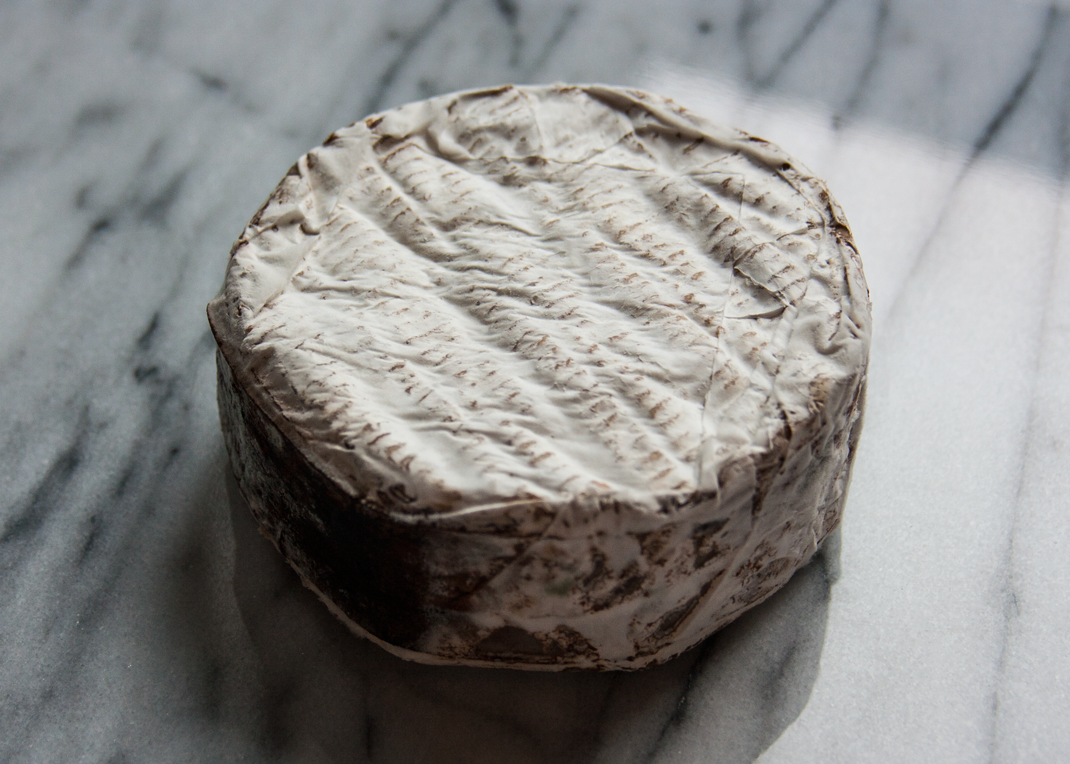
Over the past ten years, my family has enjoyed several washed-rind cheeses that are soft, pungent, and spoonable such as Vacherin Mont d’Or from Switzerland and Berthaut Époisses & Affidélice from France. When I moved to Chicago, I discovered an amazing artisanal cheese shop named Pastoral Artisan Cheese, Bread & Wine in my neighborhood. I tasted Harbison, a soft-ripened cheese with a bloomy rind wrapped in spruce bark, on a recent visit to the shop. Harbison is made by Jasper Hill Creamery and matured at the Cellars at Jasper Hill before being shipped to artisanal cheese shops and cheese connoisseurs around the country. Although Harbison is soft and spoonable like the washed-rind cheeses, it is far less pungent.

Harbison is the perfect cheese for a small party of 4-6 guests. The top of the Harbison round should be cut off and served with a spoon. Accompany the cheese with an assortment of crackers, crusty bread, fruit mostarda, dried apricots or fresh cherries.

harbison

comments 3

Moroccan Poufs

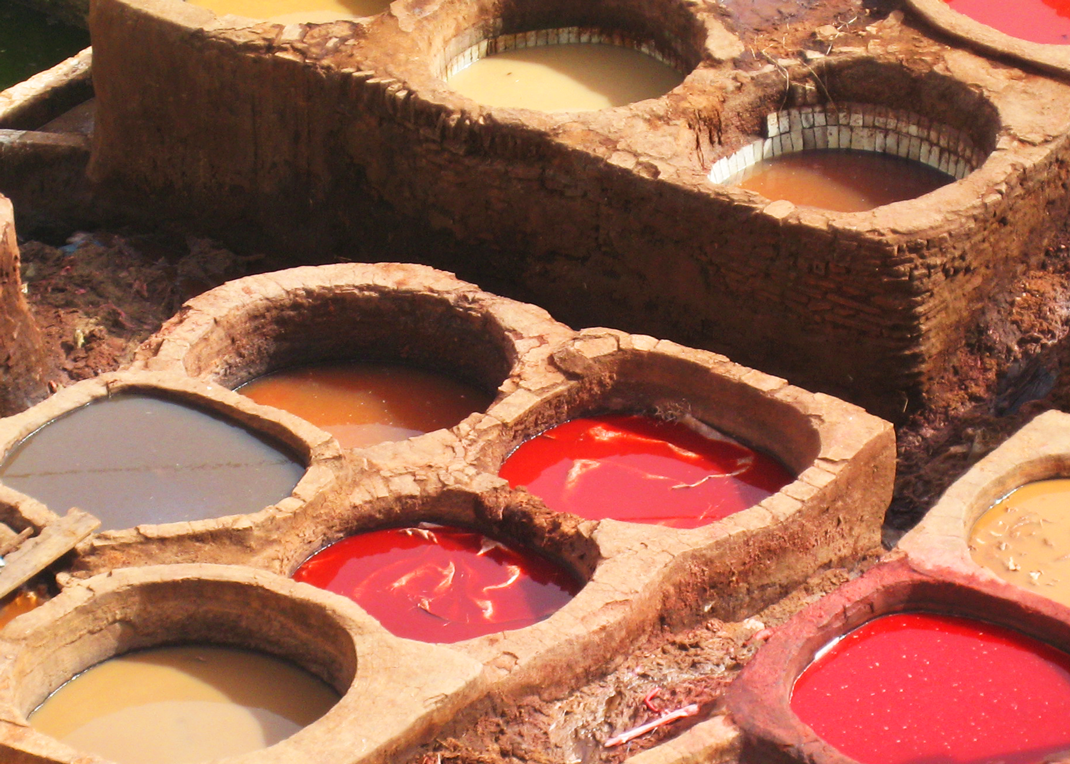
Hand stitched by skilled artisans in Morocco, these three poufs are a vibrant, movable seating option in my home. Although poufs are available in a vast array of colors, I love the vivid hue of the pink and orange poufs I found while traveling in Fez and Marrakech. Hand dying and hand stitching of leather hides is a time-honored tradition in Morocco. The ancient dye pits are a popular destination in Fez; visitors can watch as leather hides are lowered into colorful dye vats, dried in the open air, and crafted into poufs and babouches (traditional leather slippers).

In Marrakech, I was introduced to a master leather craftsman named Mustapha Khayati. A colorful, hand stitched collection of poufs and babouches fill his small shop. Mustapha Khayati is often found outside the shop stitching his fine leather goods in the open air. His shop Chez Khayati is located at 5 Rue el Ksour, Marrakech.

Poufs purchased in Morocco are unfilled in order to allow for easy transport. The poufs are filled at home with everything from newspapers to fabric remnants. I have filled the pink and orange poufs with old t-shirts; the poufs have become a time capsule filled with reminders of concerts, events, and clothing my daughter has outgrown.

If you are unable to travel to Morocco, you can purchase high quality poufs from the online shop of John Derian.

fezdye

The ancient dying vats of Fez.

comments 4

White Wine Vinaigrette

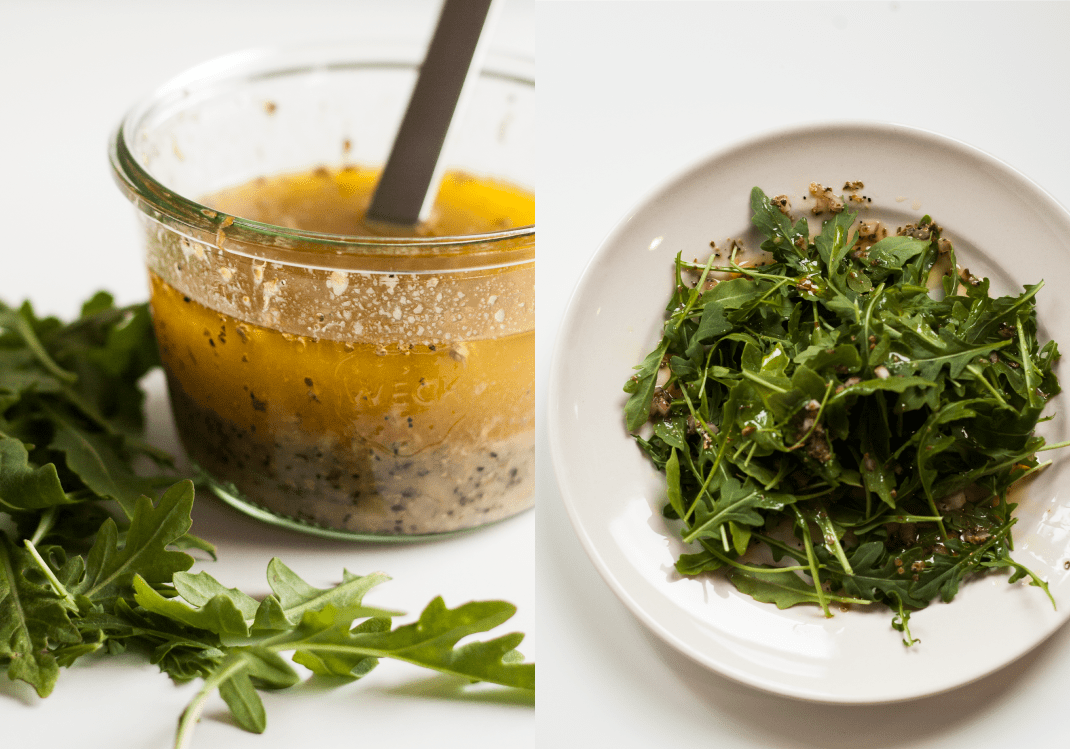
This is the vinaigrette I keep in my refrigerator at all times. It is delicious with arugula and parmesan, tomatoes and green beans, or romaine lettuce and toasted pine nuts. This vinaigrette is incredibly versatile; you can substitute red wine vinegar for the white wine vinegar, fresh thyme for the dry oregano, or add crumbled feta.

White Wine Vinaigrette

(adapted from Michael PsilakisHow to Roast a Lamb: New Greek Classic Cooking)

Makes ¾ cup

  • ¼ cup white wine vinegar
  • 1 tablespoon Dijon mustard
  • 2 tablespoons shallots or red onion, finely chopped
  • 1 tablespoon dried oregano
  • 1½ teaspoons kosher salt
  • 1½ teaspoons black pepper, coarsely ground
  • ½ cup extra-virgin olive oil

Combine the vinegar, mustard, shallots or onion, oregano, salt, and pepper in a small jar. Whisk in the olive oil until smooth. Place the lid on the jar and shake well just before dressing your salad.

Vinaigrette will keep in the refrigerator for several weeks. Remove the vinaigrette from the refrigerator 30 minutes prior to use.

comment 0

Cutting Boards

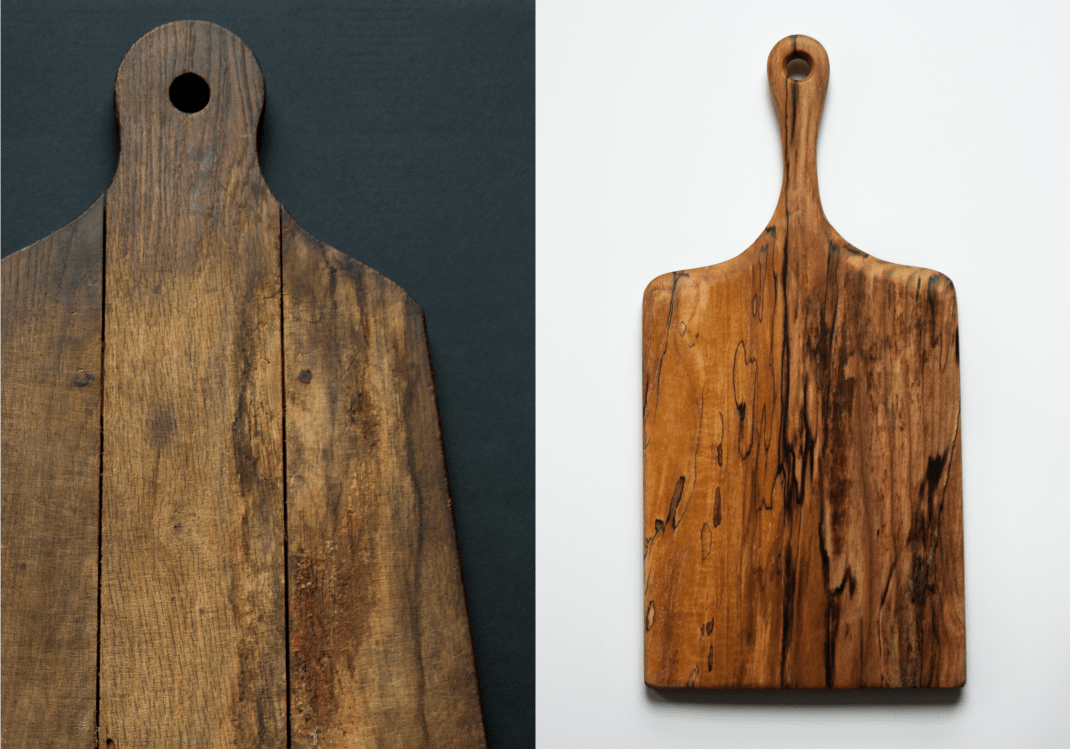
I use cutting boards for preparing ingredients, cutting bread, serving cheese, and styling photographs. Here are two of my favorite boards.

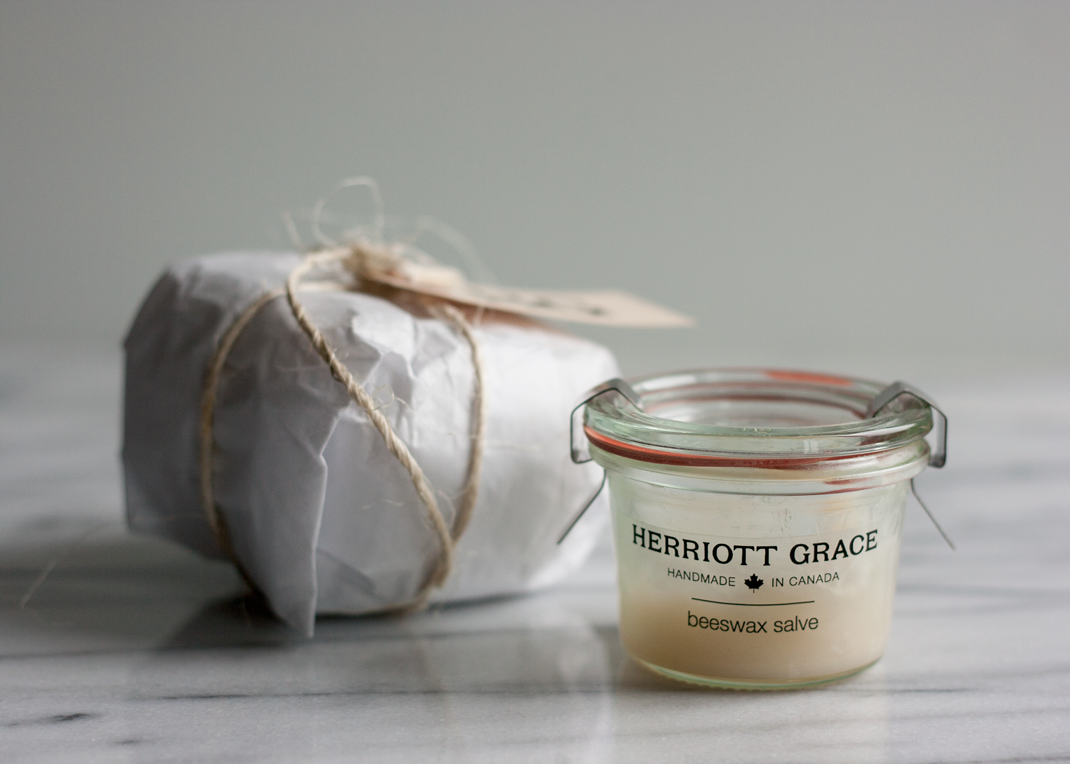
The cutting board on the left is a French antique I purchased from Jayson Home & Garden in Chicago. When I found the board it needed a good cleaning and a coat of beeswax salve. I love the patina of this board and I plan to use it often to style food photographs for Alice and Waldo.

The cutting board on the right is my new favorite. In fact, it is called the “favourite board”. I purchased this cutting board from Herriott Grace, a brand designed by the Canadian father and daughter team of Lance and Nikole Herriott. The board is handcrafted from maple with black details and the small size is perfect for serving a snack.

The beeswax salve I use to condition my boards is handmade by Herriott Grace.

beeswaxsalve


comment 1

Moroccan Mint Tea

Several years ago, I travelled to Morocco with my family. The first afternoon, we were offered mint tea in the salon of the Palais Jamai hotel overlooking the ancient city of Fez. I loved the sweet combination of green tea, mint, and sugar. In Morocco, mint tea is offered throughout the day to family, friends, and visitors as a sign of hospitality. Therefore, I am posting a recipe for mint tea as a welcome to Alice and Waldo.

Moroccan Mint Tea

Serves 4

  • 1 ½ – 2 tablespoons Chinese gunpowder or green tea
  • A handful of fresh mint leaves
  • 6 – 12 sugar cubes, to taste

Rinse and warm the teapot with a small amount of boiling water and pour it out. Add the loose tea to the teapot with another small amount of boiling water to rinse the tea and pour it out. Add the fresh mint and sugar cubes to the teapot along with 4 cups of boiling water. Allow the tea to steep for 5 minutes. Pour the mint tea from the teapot beginning at the height of the glass slowly raising to create a bit of froth on the top of the tea.

This recipe is dedicated to Miriam and her love of Moroccan Mint Tea.

If you are looking for a small treat to offer with mint tea, you can serve a simple bowl of dates and almonds.

datesalmonds